
Showing all 16 results
-
Original price was: $19.99.$9.99Current price is: $9.99. View Product
-
Original price was: $49.99.$24.97Current price is: $24.97. View Product
-
Original price was: $91.28.$41.60Current price is: $41.60. View Product
-
Original price was: $39.62.$39.00Current price is: $39.00. View Product
-
Original price was: $52.91.$39.99Current price is: $39.99. View Product
-
Original price was: $45.65.$39.00Current price is: $39.00. View Product
-
Original price was: $29.99.$19.95Current price is: $19.95. View Product
-
Original price was: $66.13.$49.99Current price is: $49.99. View Product
-
Original price was: $171.97.$149.97Current price is: $149.97. View Product
-
Original price was: $171.97.$129.00Current price is: $129.00. View Product
-
Original price was: $34.99.$18.99Current price is: $18.99. View Product
-
Original price was: $49.00.$24.00Current price is: $24.00. View Product
-
Original price was: $49.00.$29.00Current price is: $29.00. View Product
-
Original price was: $99.62.$89.00Current price is: $89.00. View Product





Showing all 16 results
Understanding the AR15 Buffer System
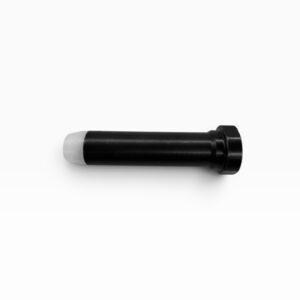
The buffer and spring ride inside the receiver extension, often called the buffer tube. These parts can be bought separately or as an assembly.
For an AR15 buffer system, one of the first things to know is whether it uses carbine-length or rifle-length parts. The buffer, spring, and receiver extension need to belong to the same type of system.
Carbine or Rifle Buffer System?
Carbine and rifle systems use different component lengths. Carbine setups have a shorter receiver extension, buffer, and spring. Rifle setups use longer parts.
This has nothing to do with simply choosing a longer or shorter barrel. Gas-system length is a separate specification, too.
If an AR 15 spring and buffer needs replacement, identify the existing carbine or rifle setup first.
Choosing the Buffer
AR15 buffers differ in both size and weight. Carbine buffers are commonly labeled standard carbine, H or H1, H2, and H3.
H, H2, and H3 are progressively heavier classes. The actual weight is worth checking on the product page because manufacturers do not always list identical numbers for every buffer in the same class.
Rifle buffers use a different physical format from carbine buffers. That difference matters just as much as weight when comparing AR-15 buffers.
Choosing the Buffer Spring
The spring also needs to match the type of buffer system. Carbine and rifle springs are different lengths.
A buffer spring for AR 15 use can be sold by itself, so replacing the spring does not automatically mean replacing the buffer or tube. What matters is that the new spring belongs to the existing carbine or rifle setup.
Buffer Tubes and Receiver Extensions
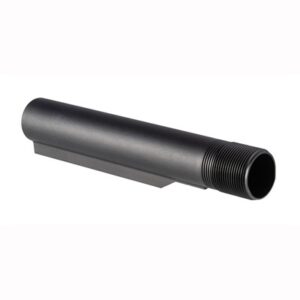
An AR15 buffer tube is the receiver extension behind the lower receiver. The buffer and spring move inside it.
Carbine and rifle receiver extensions are different lengths. Mil-spec and commercial describe a different distinction used with carbine tubes. That difference is mainly relevant to the outside dimensions of the tube and the stock fitted over it.
So an AR 15 buffer tube needs to be identified by more than one label. Carbine or rifle tells you the system length. Mil-spec or commercial, where applicable, describes the carbine tube format used for stock fit.
AR15 and Large-Frame Buffer Parts
An AR 10 buffer is part of a large-frame recoil system. It should not be selected as if it were simply another AR15 buffer weight.
Large-frame setups may use different buffer lengths, springs, and receiver-extension combinations. They also are not built around one universal pattern across every manufacturer. Check the platform and recoil-system information for the specific part.
Frequently Asked Questions
How Can I Tell Whether My AR15 Has a Carbine or Rifle Buffer System?
Start with the receiver extension. Carbine versions are shorter and use corresponding carbine buffers and springs. Rifle systems use the longer rifle-length components.
When Should an AR15 Buffer Spring Be Replaced?
There is no single round count that applies to every spring. Wear, damage, unusual shortening, and manufacturer guidance are better reasons to consider replacement.
How Can I Tell Whether My Buffer Tube Is Mil-Spec or Commercial?
Check the specifications for the receiver extension or measure its outside diameter. Mil-spec and commercial carbine tubes have different external dimensions, which matters when fitting a compatible stock.