
Showing 1–48 of 66 results
-
Original price was: $9.99.$4.99Current price is: $4.99. View Product
-
Original price was: $99.00.$30.00Current price is: $30.00. View Product
-
Original price was: $19.99.$9.99Current price is: $9.99. View Product
-
Original price was: $299.00.$239.00Current price is: $239.00. View Product
-
Original price was: $249.99.$199.99Current price is: $199.99. View Product
-
Original price was: $199.00.$149.00Current price is: $149.00. View Product
-
Original price was: $149.00.$99.00Current price is: $99.00. View Product
-
Original price was: $22.99.$19.95Current price is: $19.95. View Product
-
Original price was: $32.95.$24.99Current price is: $24.99. View Product
-
Original price was: $39.00.$29.00Current price is: $29.00. View Product
-
Original price was: $8.00.$4.99Current price is: $4.99. View Product
-
Original price was: $91.28.$41.60Current price is: $41.60. View Product
-
Original price was: $66.13.$59.00Current price is: $59.00. View Product
-
Original price was: $264.59.$199.21Current price is: $199.21. View Product
-
Original price was: $39.67.$24.99Current price is: $24.99. View Product
-
Original price was: $10.57.$6.00Current price is: $6.00. View Product
-
Original price was: $39.62.$39.00Current price is: $39.00. View Product
-
Original price was: $2.63.$0.99Current price is: $0.99. View Product
-
Original price was: $26.45.$14.99Current price is: $14.99. View Product
-
Original price was: $23.80.$14.99Current price is: $14.99. View Product
-
Original price was: $17.18.$11.89Current price is: $11.89. View Product
-
Original price was: $39.67.$26.45Current price is: $26.45. View Product
-
Original price was: $197.12.$99.00Current price is: $99.00. View Product
-
Original price was: $13.21.$9.99Current price is: $9.99. View Product
-
Original price was: $7.92.$5.99Current price is: $5.99. View Product
-
Original price was: $52.91.$39.99Current price is: $39.99. View Product
-
Original price was: $858.62.$702.48Current price is: $702.48. View Product
-
Original price was: $79.37.$49.99Current price is: $49.99. View Product
-
Original price was: $269.00.$249.00Current price is: $249.00. View Product
-
Original price was: $169.00.$159.00Current price is: $159.00. View Product
-
Original price was: $45.65.$39.00Current price is: $39.00. View Product
-
Original price was: $26.45.$18.99Current price is: $18.99. View Product
-
Original price was: $29.99.$19.95Current price is: $19.95. View Product
-
Original price was: $66.13.$49.99Current price is: $49.99. View Product
-
Original price was: $39.95.$39.00Current price is: $39.00. View Product
-
Original price was: $263.28.$99.00Current price is: $99.00. View Product
-
Original price was: $104.46.$49.00Current price is: $49.00. View Product
-
Original price was: $171.97.$149.97Current price is: $149.97. View Product
-
Original price was: $316.20.$199.96Current price is: $199.96. View Product
-
Original price was: $171.97.$129.00Current price is: $129.00. View Product


















Showing 1–48 of 66 results
Choosing AR15 Lower Receivers and Parts
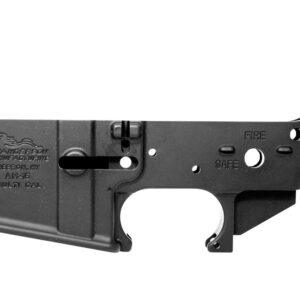
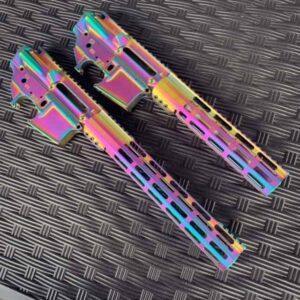
An AR15 lower receiver can be sold stripped or with more of the lower assembly already installed. A stripped lower leaves most of the hardware to be added separately. A complete lower comes with more parts already fitted, although the exact setup depends on the model.
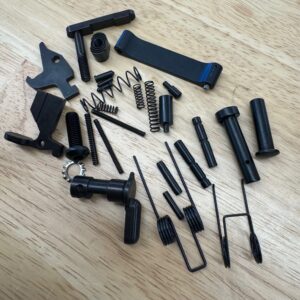
The rest of the lower assembly includes selectors, magazine controls, trigger components, takedown and pivot pins, buffer-system hardware, grips, stocks, springs, and other AR15 lower parts.
AR15 Lower Receiver Differences
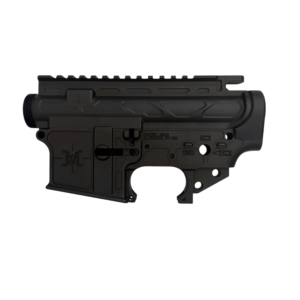
Forged and billet are common choices for an AR 15 lower receiver. Forged receivers begin as metal shaped under pressure and are then machined. Billet receivers are machined from solid stock. The manufacturing method can affect the exterior shape and the amount of machining used in the design.
Controls are another difference. A conventional AR-15 lower receiver keeps the familiar layout. Ambidextrous designs add selected controls to the opposite side, but not every ambidextrous lower duplicates the same controls.
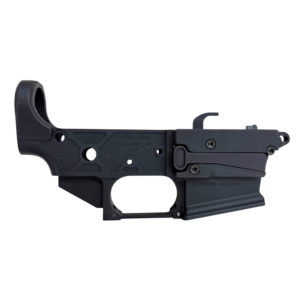
Some AR-15 lower receivers have an integrated trigger guard, different magwell shaping, or extra machined features. Proprietary designs can also use controls or hardware made for that receiver.
Individual Parts and Lower Parts Kits
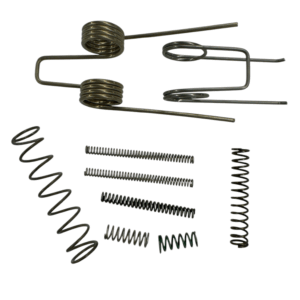
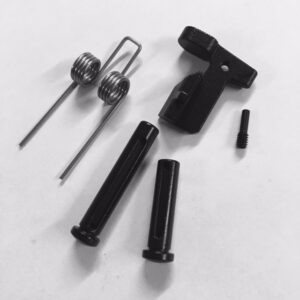
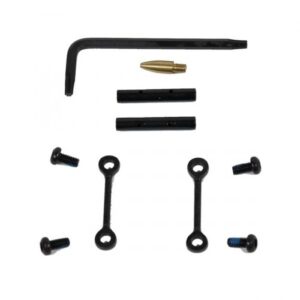
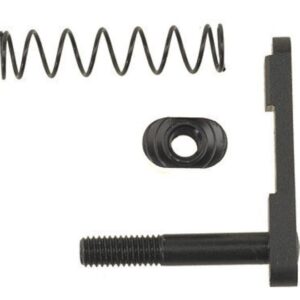
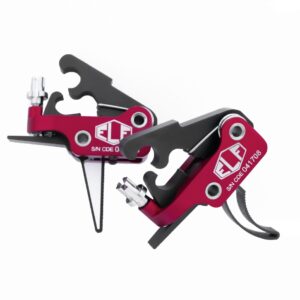
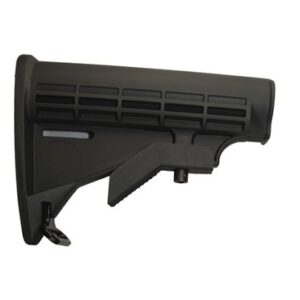
AR 15 lower parts are sold both individually and in kits. Individual lower receiver parts include items such as selectors, magazine releases, bolt catches, takedown pins, pivot pins, springs, grips, stocks, and trigger-related components.
Kits are not all packed the same way. One may include a trigger and hammer, while another leaves the fire-control group out. Some kits concentrate on small receiver hardware, while others include a broader group of parts.
For a replacement part, check the exact component name and any receiver-specific notes. For a kit, look at the contents rather than relying on the kit name alone.
Matching AR15 Lower Receiver Parts
Controls deserve extra attention on ambidextrous or proprietary receivers. A bolt catch, selector, or magazine control made for one layout may not fit another receiver design.
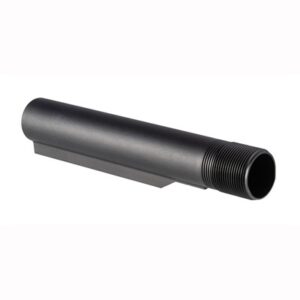
Buffer-system parts are another separate group. Tubes, buffers, and springs come in different configurations, so the listed dimensions and compatibility notes matter when choosing AR15 lower receiver parts.
Small hardware can look nearly identical in a product photo. Part type, size, and receiver application are better references than appearance.
AR15 and AR10 Lower Parts
An AR10 lower receiver belongs to the large-frame AR family. It uses different receiver dimensions from an AR15, and several major lower components are different as well.
Some smaller parts can overlap between the two platform families. Others are specific to the receiver or large-frame pattern. Large-frame ARs also do not use one universal receiver pattern across every manufacturer.
For AR10 lower parts, check the platform or pattern listed for the product before treating an AR15 part as an equivalent.
Frequently Asked Questions
Do AR15 Lower Parts Kits Include a Trigger?
Not always. Some kits include the trigger and hammer, while others leave those parts out. The contents list shows what comes in the kit.
What Does Ambidextrous Mean on an AR15 Lower Receiver?
It means selected controls can be operated from both sides of the receiver. The exact controls depend on the design.
Are AR15 and AR10 Lower Parts Interchangeable?
Some small parts overlap, but many major components do not. Receiver dimensions and large-frame pattern differences can affect compatibility, so check the listed platform for the individual part.