
Showing all 16 results
-
Original price was: $299.00.$239.00Current price is: $239.00. View Product
-
Original price was: $249.99.$199.99Current price is: $199.99. View Product
-
Original price was: $149.00.$99.00Current price is: $99.00. View Product
-
Original price was: $1,499.00.$1,099.00Current price is: $1,099.00. View Product
-
Original price was: $3,499.00.$2,399.00Current price is: $2,399.00. View Product
-
Original price was: $264.59.$199.21Current price is: $199.21. View Product
-
Original price was: $858.62.$702.48Current price is: $702.48. View Product
-
Original price was: $263.28.$99.00Current price is: $99.00. View Product
-
Original price was: $119.99.$79.99Current price is: $79.99. View Product
-
Original price was: $1,189.38.$599.00Current price is: $599.00. View Product
-
Original price was: $1,189.38.$792.48Current price is: $792.48. View Product
-
Original price was: $858.62.$699.48Current price is: $699.48. View Product
-
Original price was: $263.28.$99.00Current price is: $99.00. View Product

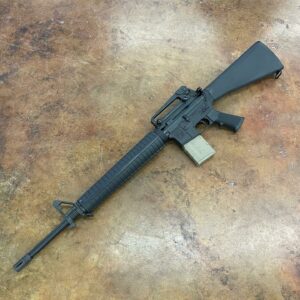

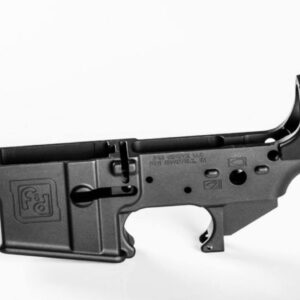
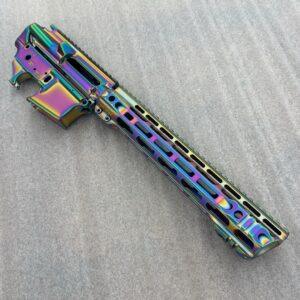
-300x300.jpg "Anderson Manufacturing Ar15 Lower Receiver Complete *FFL ITEM*, photo")



Showing all 16 results
Understanding FFL Parts & Compliance
If you are shopping for firearm components, you may notice that some products can’t be shipped straight to your door. These are known as FFL parts, and they’re subject to federal regulations to ensure safe and legal firearm ownership.
What Are FFL Parts?
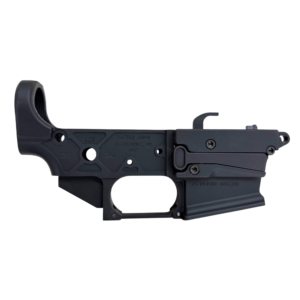
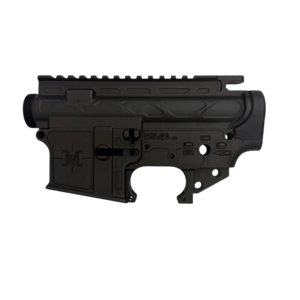
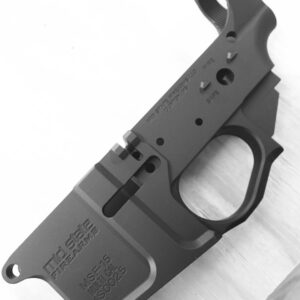
FFL parts typically refer to serialized items; these are components that are legally considered as “firearms” under U.S. law. Examples include stripped or complete lower receivers, and of course, complete firearms. Because they have a serial number and are tracked for ownership purposes, these parts are classified as FFL items and cannot be shipped directly to a private individual.
Why an FFL Is Legally Required
The Bureau of Alcohol, Tobacco, Firearms, and Explosives (ATF) requires that all FFL items go through a licensed dealer for transfer. This makes it possible to trace the serialized components, and only eligible buyers can buy it. Serial numbers help maintain accountability and uphold legal firearm ownership standards.
How FFL Transfers Work
Step 1 – Choose a Licensed Dealer
When you want to buy an FFL item online, select a licensed FFL dealer during checkout or before you place your order. The location of the licensed FFL dealer will be the location where your order will be shipped to.
Step 2 – Dealer Sends Their License
After the first step, the next thing is that your chosen dealer will provide a valid FFL license to the seller if it is not already on file. Without this, the seller can’t legally process or ship your order.
Step 3 – Pick Up After Background Check
Once your order arrives at the location of your chosen dealer, you will need to go through and pass the required background check before the FFL dealer will let you take your firearm or rifle parts home. When going to collect your ordered FFL, go along with proper identification to avoid delays.
Tips for a Smooth Transaction
- Verify your dealer’s license. Make sure the FFL is valid and active.
- Know the laws in your state. Some states have extra regulations for FFL items, so check before you decide to buy one.
- Provide accurate contact information. This helps the dealer and seller coordinate without unnecessary delays.
Buying FFL items does not have to be complicated. With the right dealer, proper paperwork, and a little preparation, you can stay compliant and enjoy a hassle-free purchase process.
Frequently Asked Questions
It comes down to how the part is legally classified. A stripped lower receiver, for example, is considered the actual firearm under federal law, so it has to go through an FFL. Parts like barrels, triggers, or handguards aren't regulated the same way and can ship directly to your door. No. FFL parts have to ship to a licensed dealer in your area first. From there, you'll typically fill out paperwork and pass a background check before the dealer releases the part to you, the same process as buying a complete firearm. Most local gun shops hold an FFL and are willing to receive transfers for a small fee. It's worth calling ahead to confirm they accept third party transfers and to ask about their fee before you place an order. There's usually an added transfer fee charged by the receiving FFL, separate from the cost of the part itself. Fees vary by dealer, so it's worth checking around locally if you're ordering FFL parts regularly. FFL parts are already legally classified as firearms and must go through a licensed dealer. 80% parts, like an 80% lower receiver, aren't yet legally a firearm since they require further machining, so they can usually ship directly without FFL involvement. Yes. Just like buying a complete firearm, age requirements apply. You'll generally need to be at least 18 for long gun classified parts and 21 for handgun classified parts, though your FFL dealer will confirm the exact requirements during transfer. Why do some parts need FFL transfer and others don't?
Can I have FFL parts shipped straight to my house?
How do I find an FFL to receive my part?
Does buying FFL parts cost more because of the transfer process?
What's the difference between FFL parts and 80% parts?
Do I need to be a certain age to buy FFL parts?