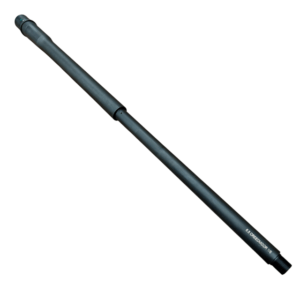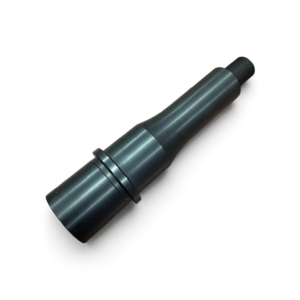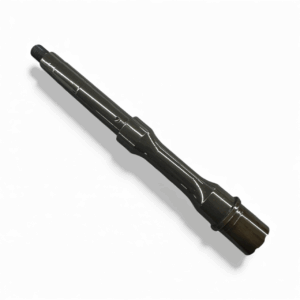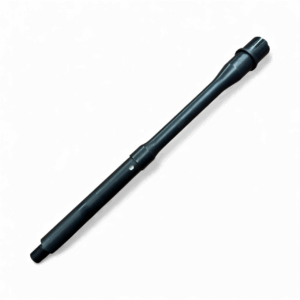
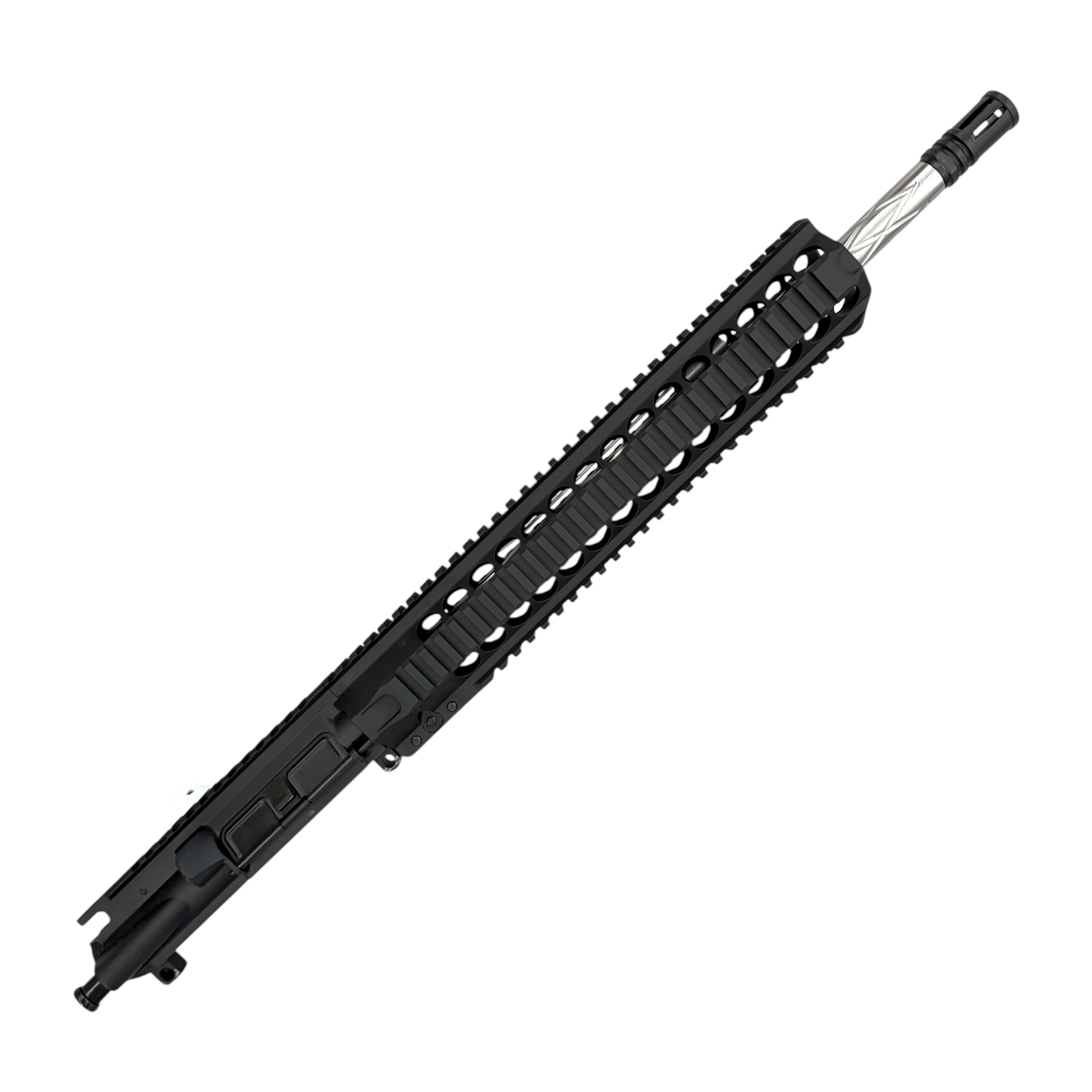
Building a suppressed AR-15 comes with a lot of decisions: barrel length, handguard style, suppressor choice, and most importantly—the caliber.
Two of the most popular choices for suppressed AR-15 builds are .300 AAC Blackout and 5.56 NATO.
Both cartridges have strengths, but they were designed with different goals in mind. The right choice depends on how you plan to use your rifle.
A .300 Blackout suppressed build is often chosen for maximum suppression and short-barrel performance, while a 5.56 suppressed build offers higher velocity, lower ammunition costs, and a more versatile general-purpose setup.
Let’s break down the differences.
Understanding the Difference Between 300 Blackout and 5.56 NATO
5.56 NATO
The 5.56 NATO cartridge was designed around velocity.
It excels with:
- Lightweight projectiles
- Flat trajectory
- Higher velocity
- Longer effective range
A suppressed 5.56 AR-15 remains an extremely capable rifle while reducing sound signature and muzzle blast compared to an unsuppressed firearm.
300 AAC Blackout
The .300 Blackout cartridge was designed specifically around the AR-15 platform and short barrels.
Its goals were:
- Better performance from short barrels
- Reliable cycling with suppressors
- Ability to use heavy subsonic ammunition
- Greater energy at close range
This makes .300 Blackout one of the most popular choices for dedicated suppressed AR builds.
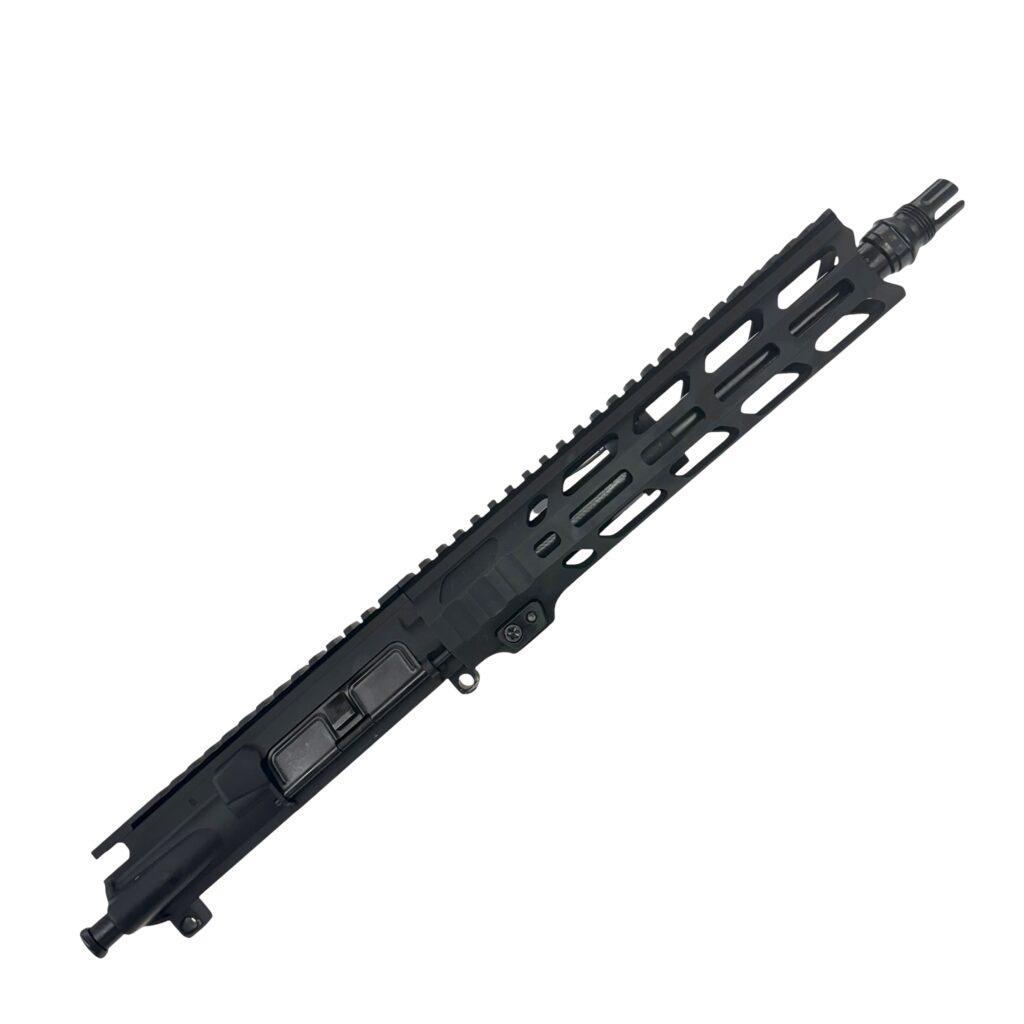
Suppressed Performance: 300 Blackout vs 5.56
Subsonic Performance
This is where .300 Blackout has a major advantage.
A suppressed .300 Blackout can use heavy subsonic ammunition designed to remain below the speed of sound.
Benefits include:
- Extremely reduced sound signature
- Minimal muzzle blast
- Excellent suppressed shooting experience
This is one of the primary reasons shooters choose .300 Blackout.
5.56, on the other hand, is generally not practical as a subsonic cartridge. Standard 5.56 ammunition relies heavily on velocity for performance.
Supersonic Performance
When using supersonic ammunition, the comparison becomes closer.
5.56 Advantages:
- Higher velocity
- Flatter trajectory
- Better performance at distance
- Cheaper ammunition availability
300 Blackout Advantages:
- Larger projectile diameter
- Better short-barrel performance
- More energy from compact rifles
For a general-purpose rifle that may be used from close range to several hundred yards, 5.56 maintains a strong advantage.
Barrel Length Comparison
One of the biggest differences between these cartridges is barrel efficiency.
300 Blackout
The .300 Blackout cartridge was designed to work well from short barrels.
Popular barrel lengths:
- 8″
- 9″
- 10.5″
A 10.5″ .300 Blackout upper provides an excellent balance of:
- Compact size
- Suppressed performance
- Reliability
- Maneuverability
5.56 NATO
The 5.56 cartridge benefits from longer barrels because velocity plays a larger role in performance.
Popular suppressed barrel lengths:
- 11.5″
- 12.5″
- 14.5″
- 16″
A 12.5″ 5.56 upper is a popular choice because it maintains good performance while staying compact.
Suppressor Compatibility
Both cartridges work well with suppressors, but the shooting experience is different.
300 Blackout Suppressed
Advantages:
- Designed around suppressed use
- Excellent with subsonic ammunition
- Lower muzzle blast
- Great for short barrels
A dedicated .300 Blackout suppressor build is one of the quietest AR-15 configurations available.
5.56 Suppressed
Advantages:
- Keeps the versatility of 5.56
- Easier ammunition availability
- Better performance at distance
A suppressed 5.56 AR is still significantly more pleasant to shoot than an unsuppressed rifle.
Ammunition Availability and Cost
This is where 5.56 has a major advantage.
5.56 NATO
Pros:
- Extremely common
- Wide variety of ammunition
- Usually less expensive
- Easy to find locally
300 Blackout
Pros:
- Excellent specialized performance
- Many premium hunting and defensive loads available
Cons:
- Usually more expensive
- Less common in stores
For someone who shoots thousands of rounds per year, ammunition cost may be an important factor.
Which Is Better for a Suppressed AR Pistol?
It depends on the mission.
Choose 300 Blackout if you want:
✅ Maximum suppressed performance
✅ Subsonic capability
✅ Short barrel efficiency
✅ A dedicated suppressor host
✅ Hunting or close-range applications
A 10.5″ 300 Blackout AR-15 upper is one of the most popular choices for a compact suppressed build.
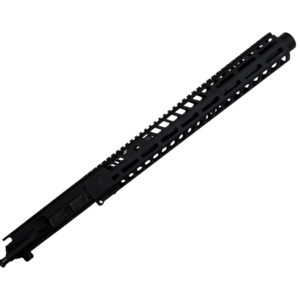
Mid State Firearms’ 10.5″ 300 Blackout upper features:
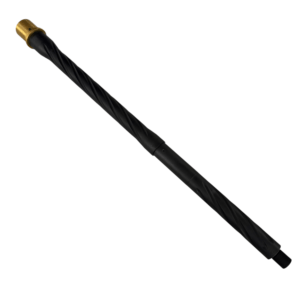
- 10.5″ 4150 CMV nitride barrel
- 1:8 twist
- Pistol-length gas system
- 5/8×24 threads
- 15″ large-ID M-LOK handguard designed for tucked suppressor setups
- Included mock suppressor
View the 10.5″ 300 Blackout Suppressor-Ready Upper:
https://midstatefirearms.com/product/10-5-300-blackout-ar-15-upper-suppressor-ready-15-m-lok-handguard-mock-suppressor/
Choose 5.56 if you want:
✅ Lower ammunition cost
✅ More versatility
✅ Better long-range capability
✅ Easier ammunition availability
✅ One rifle that does everything
A 12.5″ 5.56 AR-15 upper provides an excellent balance of compact size and performance.
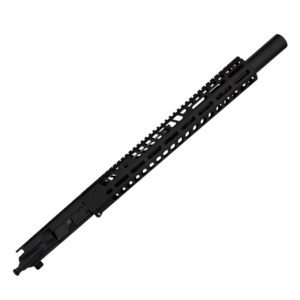
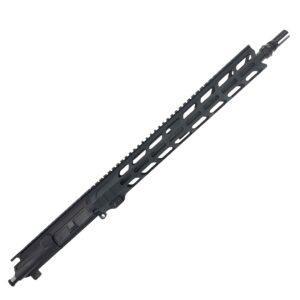
Mid State Firearms’ 12.5″ 5.56 upper features:
- 12.5″ 4150 CMV nitride barrel
- 1:8 twist
- 15″ suppressor-ready M-LOK handguard
- 1/2×28 threads
- Included mock suppressor
View the 12.5″ 5.56 Suppressor-Ready Upper:
https://midstatefirearms.com/product/12-5-5-56-223-ar-15-upper-18-4150-cmv-nitride-barrel-suppressor-tuckable-m-lok/
300 Blackout vs 5.56 Suppressed Comparison
| Feature | 300 Blackout | 5.56 NATO |
|---|---|---|
| Suppressed performance | Excellent | Very good |
| Subsonic capability | Excellent | Poor |
| Short barrel performance | Excellent | Good |
| Ammunition cost | Higher | Lower |
| Availability | Moderate | Excellent |
| Effective range | Short-medium | Medium-long |
| Best use | Dedicated suppressed build | General-purpose rifle |
Can You Use the Same Suppressor for Both?
Sometimes.
Many suppressors are rated for multiple calibers, but always verify:
- Caliber rating
- Barrel length restrictions
- Manufacturer requirements
- Mount compatibility
A suppressor rated for .300 Blackout may also work with 5.56 depending on the specific model.
Frequently Asked Questions
Is 300 Blackout quieter than 5.56 suppressed?
Yes, especially when using subsonic ammunition. The ability to run heavy subsonic bullets is one of the biggest advantages of .300 Blackout.
Is 5.56 still good suppressed?
Absolutely. A suppressed 5.56 AR-15 is still a very capable rifle with lower recoil, inexpensive ammunition, and excellent versatility.
Is 300 Blackout better for a short barrel?
Generally, yes. .300 Blackout was specifically designed to perform efficiently from shorter barrels, making it a popular choice for compact suppressed builds.
What is the best AR-15 caliber for a suppressor?
There is no single answer. For maximum suppression and short barrels, .300 Blackout is difficult to beat. For a versatile rifle with affordable ammunition, 5.56 remains one of the best choices.
Final Thoughts
Both .300 Blackout and 5.56 NATO make excellent suppressed AR-15 platforms, but they serve different purposes.
Choose .300 Blackout if your priority is a compact, quiet, suppressor-focused rifle.
Choose 5.56 NATO if you want a versatile rifle with inexpensive ammunition and strong all-around performance.
The best suppressed AR-15 build is the one that matches how you actually plan to use it.