Choosing between threaded and fluted Glock barrels can change what your pistol can do and how it feels in fast shooting. Threaded barrels are built for mounting devices. Fluted barrels aim to reduce weight and manage heat. This guide compares both so you can pick an upgrade that matches your primary use and budget.
What Are Threaded Glock Barrels and How Do They Work?
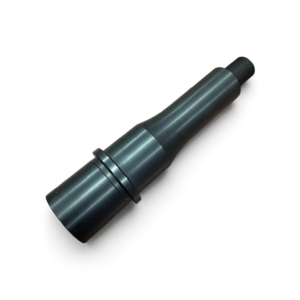
A threaded Glock barrel has precision-cut muzzle threads for mounting compatible devices. A Glock threaded barrel is only “right” when the thread pitch matches the accessory and the device seats squarely against the barrel shoulder, keeping alignment stable during recoil.
Makers use different thread patterns. Most U.S. aftermarket barrels use 1/2×28. Factory Glock threaded barrels use M13.5×1 LH. Always confirm pitch on both the barrel and device.
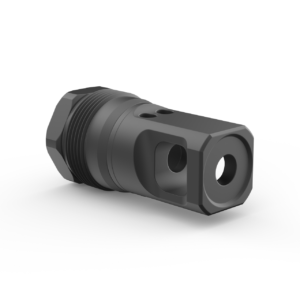
Common attachments include:
- suppressors
- compensators
- thread protectors
- blast diverters
If you add a device, expect changes in balance and recoil feel because you are adding mass at the muzzle.
Understanding Fluted Glock Barrels and Their Design Benefits
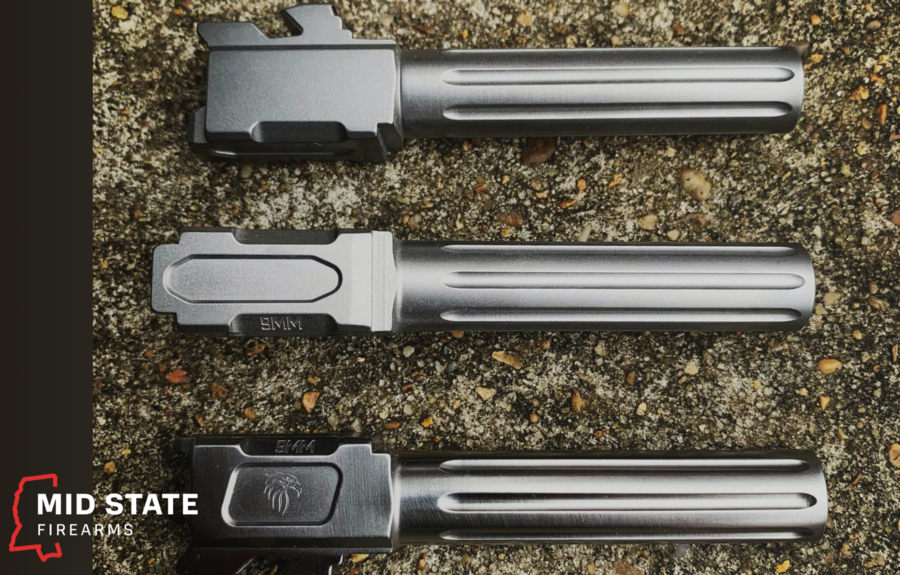
Fluting means machining grooves along the outside of the barrel to remove material. A fluted Glock barrel removes exterior material without changing the bore or rifling.
The main benefits are modest weight reduction and increased external surface area. A Glock fluted barrel can feel a bit quicker in transitions and may shed heat slightly faster during longer strings. Fluting also changes the look, but performance value comes from handling and comfort in sustained practice.
Threaded vs Fluted Barrel Performance Comparison
Both upgrades can be worthwhile, but they solve different problems. Use the table below as a quick “what you actually get” summary.
| Factor | Threaded barrel | Fluted barrel |
| Primary benefit | Device mounting | Weight and surface area |
| Balance | Can shift forward with devices | Often slightly lighter feel |
| Heat behavior | Mostly device-dependent | Slightly improved cooling potential |
| POI change | Possible after the swap | Possible after the swap |
Weight and Balance Differences
A Glock with a threaded barrel may feel front-heavy once you mount a compensator or suppressor, which can help the gun track flatter for some shooters. Fluting tends to keep the front end lighter, which can help speed up transitions.
Heat Management and Cooling Rates
Fluting increases surface area, so barrels can cool a little faster between strings. Threading does not change heat behavior by itself, and the mounted device is usually the bigger heat factor.
Accuracy and Point of Impact Changes
Either option can shift the point of impact slightly because lockup and tolerances can differ from the factory barrel. Treat any Glock barrel upgrade the same way: confirm zero, shoot groups with your normal ammo, then repeat after the barrel warms up.
When Should You Choose a Threaded Glock Barrel?
A threaded barrel makes sense when muzzle-device capability is the goal:
- suppressor use for reduced sound and improved comfort
- compensator mounting for faster follow-up shots
- home defense setups where suppression is prioritized
- range versatility with different muzzle-device options
- future-proofing for potential NFA purchases
Suppressor ownership and transfers are regulated under the NFA, so it helps to understand the paperwork side early. The official reference point is the ATF’s Form 4.
For compact builds, a Glock 19 threaded barrel is a common choice because it adds capability while staying manageable. For full-size setups, a Glock 17 threaded barrel often makes sense for the same reason, with a longer slide.
Impulse noise from firearms can exceed the commonly cited 140 dB peak guidance, which is why many shooters think about mitigation and hearing protection. OSHA discusses this 140 dB impulse context in a published interpretation on the 140 dB impact/impulse policy.
What Makes Fluted Barrels Worth the Investment?
Fluted barrels shine when you want handling benefits without adding length at the muzzle. They are also appealing for frequent shooters who want the gun to feel a touch less front-heavy during long sessions.
Competition Shooting Advantages
In competition, small handling changes add up. A Glock fluted barrel can feel quicker when moving between targets, and the extra surface area can help comfort during higher round counts.
Concealed Carry Weight Considerations
Carry rewards comfort and predictable cycling. Fluting can help if you are weight-sensitive, but reliability testing still comes first.
Can You Get Both Features in One Barrel?
Yes, combination barrels exist that are threaded and fluted. They provide attachment capability plus some weight savings, but they usually cost more and demand better machining quality. If you choose both features, verify pitch, inspect shoulder seating, and plan a real test period.
Installation and Compatibility Considerations
Glock barrel swaps are simple mechanically, but fitment must be exact. Most issues come from a mismatch of model, generation, or slide length.
Which Glock Models Accept Aftermarket Barrels?
Barrel fitment depends on exact slide length, generation, and caliber, which is why those checks are essential for Glock-compatible barrels. A Glock aftermarket barrel should match your model precisely, including generation notes.
Also consider practical fit: added length or a device can affect holster compatibility, and some setups may need different sights.
Tools and Skills Required for Barrel Swaps
Most swaps are normal field-stripping plus a function check. Even when the swap is simple, reliability can change depending on the rest of the setup and other Glock-compatible parts.
Any time you’re field-stripping or reassembling a pistol, follow the manufacturer’s safety guidance and handling instructions from Glock’s downloadable materials.
A quick post-swap checklist:
- confirm smooth slide movement and consistent lockup
- verify trigger reset and safe function
- confirm lockback on empty magazines
- test-fire with your intended ammo
Cost Analysis for Glock Barrel Upgrades
Typical barrel price ranges:
- basic threaded barrels: $120 to $200
- fluted barrels: $140 to $250
- combination barrels: $180 to $300
Common add-on costs for threaded setups:
- suppressor: $400 to $1200
- thread protector: $10 to $30
If you are budgeting threaded barrels for Glock, include device costs from the start. If you are comparing threaded barrels for Glocks, confirm thread pitch before buying to avoid the most expensive mistake.
Do Aftermarket Glock Barrels Affect Reliability?
They can. Chamber dimensions, surface finish, ammo choice, and mounted devices can all influence cycling. Plan a 200 to 500-round test period, and if the pistol is for defense, test your actual defensive load.
During testing, watch for repeatable patterns rather than one-off hiccups. Pay attention to failures to return to battery, erratic ejection, and whether lockback is consistent on the magazines you trust most. If you see issues, rule out simple causes first, such as weak ammo, worn recoil springs, or lubrication that is too heavy or too dry for the conditions. Only then, judge the barrel itself.
Common Mistakes When Choosing Glock Barrel Upgrades
Common mistakes include:
- buying the wrong pitch for the device you intend to use
- ignoring local rules for threaded setups or suppressors
- choosing looks over function for a defensive pistol
- skipping testing after installation
- forgetting holster fit changes after adding length or devices
Maintenance Requirements for Modified Barrels
Threaded barrels need clean threads and a protector when no device is installed. Fluted barrels need groove cleaning with a nylon brush and normal solvent. If you shoot suppressed, expect more fouling and to clean more often.
Real World Applications and User Experiences
Most users choose based on one priority: attachment capability versus handling feel. The patterns below are common across many shooters.
Law Enforcement and Military Preferences
Threaded barrels show up when suppressor use is required by role or training. Otherwise, many stay close to proven configurations.
Competition Shooter Feedback
Competitors often choose upgrades based on tracking and control. Glock threaded barrels are common when a compensator is part of the plan, and the rules allow it. If you’re building for matches, division rules can decide what’s permitted, and the baseline reference is the official USPSA rules.
Concealed Carriers and Home Defenders
Carriers prioritize comfort and cycling consistency. Home defenders may prioritize suppression capability, but testing still decides whether the setup is trustworthy.
Making Your Decision Based on Primary Use
- Home defense priority: threaded barrel for suppressor capability.
- Competition focus: fluted barrel for weight and cooling benefits.
- Concealed carry: fluted barrel for reduced weight or stock for predictability.
- Range versatility: threaded barrel for attachment options.
- Collection/custom builds: combination barrel for maximum features with full testing.
Key Takeaways for Your Glock Barrel Upgrade
Threaded barrels add muzzle-device capability, while fluted barrels refine handling and can provide incremental cooling benefits. Either option can be reliable if fitment is correct and the final configuration is tested with your ammo.
FAQ
Threaded vs fluted Glock barrel: which is better?
Threaded is better for mounting devices. Fluted is better for weight-sensitive handling and slightly improved cooling comfort.
Can I use a threaded Glock barrel with a suppressor?
Yes. Confirm pitch and proper seating, then test for reliable cycling with your ammo.
Are threaded Glock barrels legal to own?
In most U.S. states, yes. However, laws vary by location, so always check local regulations and any applicable federal suppressor requirements.
What thread pitch for a Glock 17 threaded barrel 9mm?
Most U.S. aftermarket barrels use 1/2×28. Factory Glock barrels use M13.5×1 LH. Always verify before ordering.
Does a threaded barrel affect accuracy on the Glock 19?
It can shift the point of impact slightly. Confirm zero after installation and with any device attached.
Will aftermarket Glock barrels affect reliability?
They can. Buy quality and test with your magazines and your ammo before relying on the setup.
Does a fluted barrel make a Glock lighter?
Often slightly, depending on barrel profile and flute pattern.