
A Glock can run for years with normal care, but it still notices neglect. After range use, carbon collects in the usual spots. A pistol that gets handled often can pick up sweat, lint, skin oils, and range-bag dust. Magazines wear quietly too, which is why a weak spring or damaged feed lip may not stand out until feeding starts to feel different.
This Glock maintenance checklist is not about taking the pistol apart beyond basic owner-level care. It is about knowing what to look at, when cleaning matters, where light lubrication belongs, and when the smarter move is to stop and ask a qualified gunsmith or certified armorer. Always start with the owner’s manual for your exact model. Glock’s official owner resources should come before forum advice or random videos.
Start With Safety Before Any Maintenance
Before cleaning, make the pistol safe. Treat it as loaded until you have personally verified otherwise. Keep the muzzle pointed in a safe direction, keep your finger away from the trigger, and move ammunition away from the bench.
The work area matters. Loose rounds, loaded magazines, poor lighting, and scattered cleaning supplies make a simple job easier to mess up. NSSF safety guidance is built around the same basics: safe muzzle direction and personally confirming that the firearm is unloaded. Cracked, loose, or confusing parts are not something to “work through.”
How Often Should You Maintain a Glock?
A Glock should be looked over after regular range use, after rain, sweat, dust, dirt, or lint, and before long-term storage. A short-range trip may not need a full cleaning, but it still deserves a quick look for fouling, dry contact points, corrosion, and magazine debris.
The answer to how often you should clean a Glock depends on use, ammunition, environment, and the manual. A pistol kept in a dry safe will not collect the same grime as one carried often or transported in a dusty range bag. After a major part change, or when feeding, extraction, ejection, or cycling feels different, slow down and inspect before assuming the problem will go away.
Glock Maintenance Checklist at a Glance
A useful Glock inspection checklist should cover the areas most likely to affect reliability:
- safe handling first;
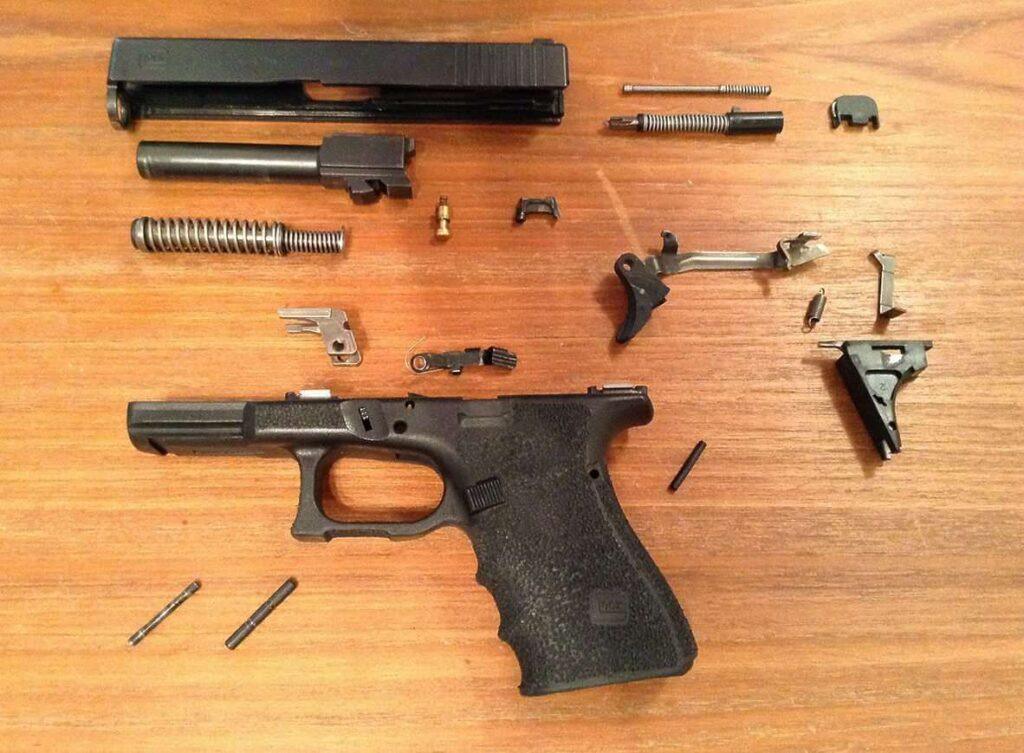
- slide, barrel, frame, recoil spring assembly, extractor area, and magazines;
- carbon, lint, moisture, and loose grit;
- corrosion, cracks, burrs, or new wear marks;
- light lubrication where the manual calls for it;
- magazine bodies, feed lips, springs, followers, and base plates;
- professional help when a function feels abnormal.
For basic field stripping, use Mid State Firearms Glock disassembly guide instead of forcing parts or guessing.
What Parts of a Glock Should You Inspect?
Cleaning removes the dirt you already know is there. Inspection catches the smaller problems: a magazine starting to fail, corrosion near a slide cut, a rough contact area, or wear that was not there last month. If you are asking what parts you should inspect on a Glock, start with movement, feeding, and visible fit.
Slide
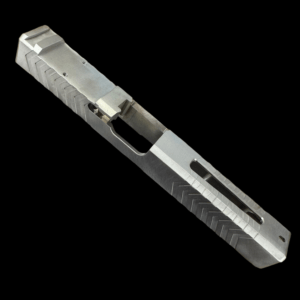
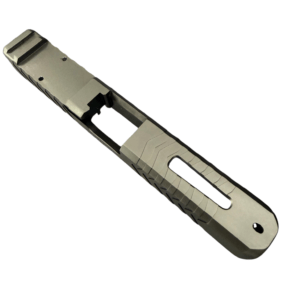
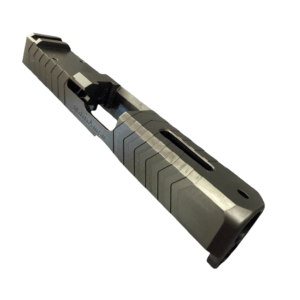
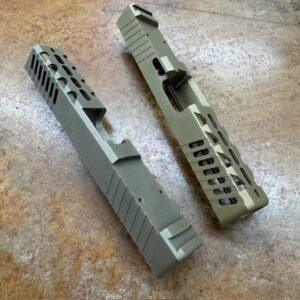
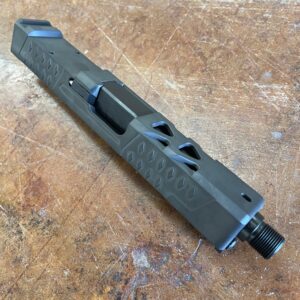
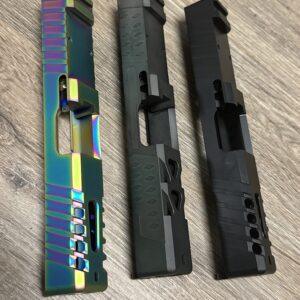
The slide deserves more than a quick wipe. Look for heavy fouling, debris, cracks, burrs, or new wear marks. Optic cuts, serrations, and other machined areas are worth a closer look because moisture and grit like to hide in small corners.
Aftermarket and Glock-compatible slides should still be compared with the maker’s guidance. Fit and wear patterns matter even when the part is listed for your model. Mid State Firearms lists Glock-compatible Glock slides and stripped Glock slides by category. For more on slide features, the article on Glock slide cuts and serrations is a better place to go deeper than this maintenance checklist.
Barrel
The bore, chamber, and feed ramp area collect different kinds of buildup. Carbon from a short indoor range session is not the same as fine outdoor dust, but both can hide in places a fast wipe misses. Watch for fouling, obstruction, corrosion, or rough wear. Use cleaning materials that match the manual, not the harshest tool on the bench.
Recoil Spring Assembly
The recoil spring assembly affects slide movement, return to battery, feeding, and ejection. Sluggish return, weak cycling, visible damage, or a model and generation mismatch is enough reasons to slow down.
For Glock recoil spring maintenance, do not guess on spring weight or replacement timing. Mid State’s Glock recoil spring guide covers those details separately.
Frame and Rails
Rails and visible frame contact points should not be packed with grit or show odd wear. Pin areas and the locking block area are also worth a careful look during normal cleaning.
Do not file, sand, polish, or reshape frame surfaces. A contact point that looks wrong is not a DIY smoothing project. It is a reason to get professional help.
Magazines
Magazines cause more reliability confusion than many owners expect. Feed lips, springs, followers, base plates, and the magazine body all deserve attention. A cracked body, sticky follower, weak spring, or damaged feed lip can make the pistol look like the problem.
That matters when one magazine keeps producing the same symptom and another one runs fine.
Small Parts and Pins
Visible pins and small parts should not look loose, cracked, missing, or damaged. Internal parts should not be polished, altered, or replaced casually. When something inside the pistol looks questionable, use the manual or have it checked by a qualified gunsmith or certified armorer.
Cleaning vs Lubrication: What’s the Difference?
A good Glock cleaning guide keeps cleaning and lubrication separate. Cleaning removes fouling, residue, moisture, and debris. Lubrication reduces friction only where Glock calls for it.
More oil does not mean better care. Too much lubricant can hold lint, grit, unburned powder, and range-bag dirt. Good Glock cleaning and lubrication is plain: remove what should not be there, dry the areas that need it, then use a small amount of proper lubricant.
Glock Lubrication Points: Keep It Light and Purposeful
Glock lubrication points are not a reason to coat every visible surface. Glock pistols generally need light lubrication at specific contact areas, not a wet layer of oil.
Skip random “drop count” advice unless it matches official model-specific guidance. A pistol that looks wet enough to collect lint is probably too wet.
Maintenance After a Range Day
For Glock maintenance after range day, let the pistol cool before cleaning. Then look at the barrel, chamber area, slide, recoil spring assembly, and magazines. Carbon, unburned powder, and loose debris often show up there first.
One malfunction at the range can come from ammunition, a magazine, grip, dirt, or a worn part. Write down what happened instead of guessing. Repeating problems, especially with the same magazine or after the same part change, deserve a closer look.
Maintenance for Storage, Carry, and Regular Handling
This is about condition and cleanliness, not tactics.
- Storage: clean first, protect against moisture, store securely and lawfully, and check later for corrosion or dried lubricant.
- Regular handling: sweat, lint, skin oils, and humidity can collect around the slide, frame, sights, optic areas, and magazines.
- Range bag use: bags collect dust and loose debris, so the pistol exterior and magazines should not be ignored after transport.
- Lawful carry or home readiness: care for carry or home-defense pistols should stay focused on lint removal, corrosion checks, magazine condition, safe storage, and manual-based maintenance.
Glock Parts That May Need Replacement Over Time
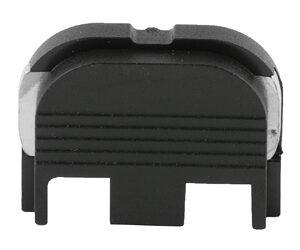
Glock parts maintenance is not random part swapping. The usual wear areas are the recoil spring assembly, magazine springs, followers, base plates, sights, extractor-related areas, barrels, slide parts, and frame parts.
The question of when to replace Glock parts depends on model, use, ammunition, environment, and the manual. Use compatible parts for the exact model and generation. Mid State Firearms has Glock-compatible parts and related handgun parts for category browsing. For compatibility questions, a model-and-generation guide, such as Mid State’s Gen3/Gen5 slide fit article, is more useful than guessing.
Common Glock Maintenance Mistakes to Avoid
Most mistakes are small habits repeated too long: cleaning near ammunition, skipping the safety check, using too much oil, ignoring magazines, forgetting the recoil spring assembly, using harsh tools, or assuming every Glock-compatible part fits every generation.
The bigger problems are polishing, filing, cutting, or modifying internal parts, replacing parts without understanding compatibility, and ignoring repeated reliability symptoms. These common Glock maintenance mistakes can create safety or function issues. Work involving safeties, trigger parts, or internal engagement surfaces belongs with a qualified professional.
When Maintenance Becomes Gunsmith Work
Repeated feeding or ejection problems, visible cracks, trigger feel changes, loose sights, loose optics, unusual wear marks, barrel obstruction concerns, or damaged parts are past ordinary cleaning.
When a problem repeats, the safest choice is to stop using the pistol until it is checked. Guessing is not maintenance.
Glock Maintenance Checklist by Use Case
- Occasional range use: clean visible fouling, look over magazines and the recoil spring assembly, and store the pistol dry.
- High-volume range use: pay closer attention to springs, magazines, barrel condition, slide wear, and lubrication.
- Long-term storage: clean first, protect against corrosion, store securely, and check later for moisture or dried lubricant.
- Modified or Glock-compatible builds: confirm model and generation compatibility, watch aftermarket parts for unusual wear, and follow the part maker’s instructions.
Key Takeaways for Keeping Your Glock Reliable
A reliable Glock is not maintained by one big cleaning session once in a while. It is maintained by small, boring habits: clean the obvious fouling, watch the magazines, notice spring wear, keep lubrication light, and stop before maintenance turns into risky part work.
That is how to keep a Glock reliable without shortcuts. Use compatible parts, avoid unsupported modifications, and let a qualified professional handle anything that looks damaged or feels abnormal.

FAQ
How much oil does a Glock need?
Use light lubrication at the points recommended for your model. Excess lubricant can collect lint, grit, and residue.
When should you replace a Glock recoil spring?
Replacement timing depends on model, use, ammunition, and wear signs. Sluggish cycling, feeding or ejection inconsistency, or visible damage should be checked against the manual or by a professional.
Are Glock magazines part of maintenance?
Yes. Cracks, debris, damaged feed lips, weak springs, and worn followers can all cause trouble. Magazine issues can look like pistol issues.
Can I modify Glock internal parts during maintenance?
No. Maintenance should not include filing, polishing, cutting springs, bypassing safeties, or altering internal engagement surfaces. Use manufacturer guidance or a qualified professional.