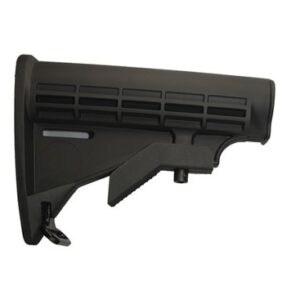
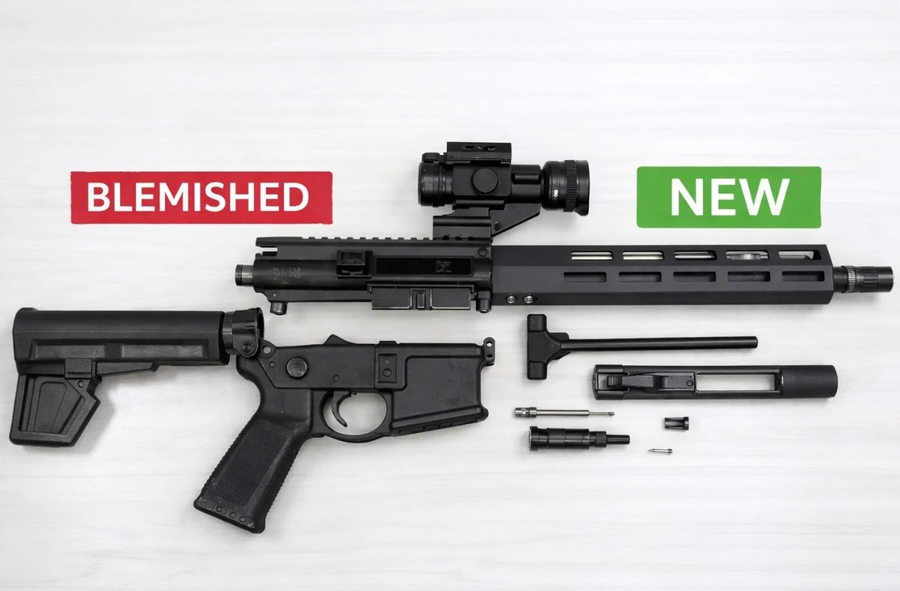
Buying AR-15 components on a budget can feel risky when you see a discounted blem listing beside a full-price option. Many shooters assume “blemished” means unreliable or previously used parts, so they skip the deal and pay more. This guide explains what the label actually means, how to inspect what you receive, and how to plan savings for your build. In many cases, you can save 15 to 40 percent without sacrificing function, for most everyday shooters.
What Does “Blemished” Mean for AR-15 Parts?
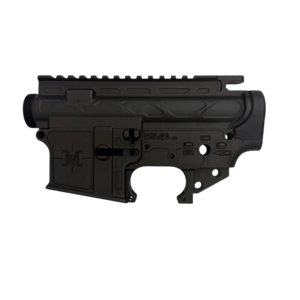
A blemished part is usually a new component that missed a manufacturer’s cosmetic grading standard. The blem is typically minor: a small scratch, a finish shade difference, a light machining line, an anodising variation, or a tiny coating flaw. These marks often happen during finishing, packaging, or routine handling, not during live fire use.
If you are asking what is a blem AR15, think “cosmetic seconds” rather than “functional downgrade.” The part should still meet dimensional requirements, and it is not marketed as repaired or refurbished.
Blemished vs New AR-15 Parts: Real Cost Savings by Component Type
Discounts vary by brand and batch, but the biggest savings tend to appear on visible parts where appearance is judged strictly. Use the ranges below to decide where to save and where to spend.
| Component type | Common cosmetic reason | Typical discount | Practical value |
| Upper or lower receiver | finish shade, tiny handling mark | 20 to 40% | Very high |
| Handguard or furniture | light scratch, coating speck | 15 to 35% | High |
| Small external parts | surface scuff, minor tool mark | 10 to 25% | Medium |
| Barrel | exterior finish variation | 10 to 20% | Medium |
| Bolt carrier group | coating stain, faint line | 10 to 20% | Medium |
Blemished AR Upper & Lower Receivers: Where You Save Most
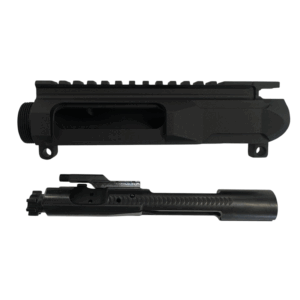
Receivers are often the best place to save because most blem discounts are cosmetic. For blemished upper receivers, inspect pin holes, threads, rail alignment, and mating surfaces first, then judge the finish marks. For blemished AR15 lowers, focus on clean pin holes and undamaged buffer tube threads.
Blemished Barrels and BCGs
Barrels and carriers are core functional parts, so treat blem listings with extra care. A part described as blemished barrels AR15 may simply have a finish issue on the outside, but you should still check the crown, threads, and any visible dents. Confirm nothing suggests impact damage.
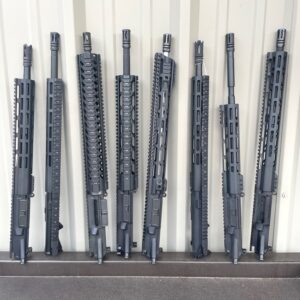
A carrier listed as blem BCG is often discounted for a coating mark or a visible line that does not change dimensions. Inspect the gas key staking, bolt lugs, and carrier rails, then confirm smooth movement by hand.
Blem Handguards and Small Parts
External furniture and small parts are usually the lowest risk blem categories because they pick up wear quickly. This is also where bundles and clearance sections create the most obvious savings, especially if you are shopping AR15 parts deals to cut the cost of a complete build.
If you see a clearance label like factory seconds AR15, read the description carefully and treat it as a prompt to inspect.
Do Blemished AR-15 Parts Meet the Same Testing Standards?
With reputable manufacturers, blem inventory is commonly checked the same way as standard stock for function and dimensions, then downgraded after cosmetic review. Critical specs should remain within tolerance, including mil-spec interfaces, thread form, and alignment of mating surfaces. Quality control often includes gauge checks and torque verification on assembled parts.
When you buy from a trusted seller, it is reasonable to expect the same dimensional integrity from blemished AR15 parts as from full-price inventory. If a listing is vague about the blem or refuses clear photos, shop elsewhere.
How To Inspect Blemished Parts Upon Arrival
Your goal is simple: confirm the blem is cosmetic and that the part is free from structural damage. Inspect before installation so you can document the condition and resolve problems quickly.
Visual Inspection Checklist
Look for cracks, deep dents, or deformation around pin holes, corners, and threaded areas. Check threads for flattening, cross-thread damage, or heavy burrs. Review rails and contact surfaces for gouges that could affect fitment. Take clear photos, especially if the item is described as cosmetic blem AR parts, and store them with your receipt.
Functional Checks Before Installation
Confirm the part matches your order and intended pattern. Do gentle dry-fit checks with the mating component and ensure it seats without forcing. On an assembled upper, check that the charging handle and carrier travel smoothly by hand. If anything feels wrong, stop and contact the seller rather than modifying the part.
Do Blemished AR-15 Parts Come With a Warranty?
Policies differ, but a common approach is that cosmetics are excluded while functional defects remain covered. Return terms may be stricter, with final sale language for appearance. Photograph the part on arrival, keep the packaging and invoices, and contact support promptly if you believe the part is out of spec.
For a plain-English overview of warranty language, review the Federal Trade Commission guide.
Best Blemished Parts for Maximum Value
The best value comes from buying blem where appearance matters least and normal use will add wear anyway.
What AR-15 Parts Are Safe (and Smart) to Buy Blemished
Receivers, handguards, furniture, and small externals are often smart blem choices when the seller is reputable, and the description is clear. Many builders choose AR15 blemished parts for the visible shell of the rifle while keeping a conservative approach for core internals.
When You Should Buy New – Not Blemished Parts
Buying new often makes sense for duty or defensive rifles, for precision builds where consistency is the priority, or when you cannot inspect a component confidently. It also makes sense when the discount is small and returns are strict.
Building Strategy With Blemished Components
Mixing categories keeps savings high and risk low. A common approach is to buy receivers and furniture as blem AR15 parts, then buy a new barrel and carrier for confidence. Training rifles often reach 30 to 35 percent total savings with this plan. Duty rifles can save 20 to 25 percent by using blem furniture while keeping critical parts new. Precision builds usually keep the barrel and trigger new and save elsewhere for 15 to 20 percent.
If you want a simple starting point, treat AR 15 blem parts as a way to lower the cost of the outside of the rifle first.
Are Blemished AR-15 Parts Worth It? Common Myths Explained
Myth: blems are rejects that failed testing. Reality: reputable blems usually passed functional checks and were downgraded for appearance.
Myth: blem means used or returned. Reality: blem stock is commonly new inventory with cosmetic marks.
Myth: blem parts are refurbished or repaired. Reality: the label usually reflects grading, not repair.
Myth: no warranty coverage. Reality: function is often supported while cosmetics are excluded.
Myth: cosmetics affect reliability. Reality: superficial marks do not change performance when dimensions and assembly are correct.
Inspection Documentation and Record Keeping
Photograph blemishes and any labels when applicable. Keep invoices, warranty notes, and included paperwork together. Record installation dates and approximate round counts, especially for parts that might later require support.
Real User Experiences with Blemished AR-15 Parts: Long-Term Performance
When the blem is cosmetic, rifles generally run the same after thousands of rounds. Normal handling wear often becomes more noticeable than the original mark, and many owners stop thinking about it. Resale impact depends on the buyer, but documentation helps.
For general safety guidance that applies to any build, review the NSSF safety resources.
Making the Smart Choice for Your Build and Budget
Use this quick decision matrix to match savings to purpose:
- Range toy or training rifle: maximise blem externals for 30 to 35 percent total savings.
- Duty or defence rifle: blem receivers and furniture, new critical components for 20 to 25 percent savings.
- Precision build: new barrel and trigger, blem everything else for 15 to 20 percent savings.
- First AR-15: a balanced mix for savings and confidence.
If you are buying receivers, follow applicable rules and definitions. The ATF firearms information page is a reliable starting point.
Key Takeaways for Blemished Parts Decisions
Choose blem when the discount is meaningful, and the seller is transparent. Inspect immediately, document clearly, and keep your records. Use blem AR parts where cosmetics are the only issue, and buy new where you want maximum certainty. With smart selection, blemished AR-15 parts can deliver real savings without sacrificing function.