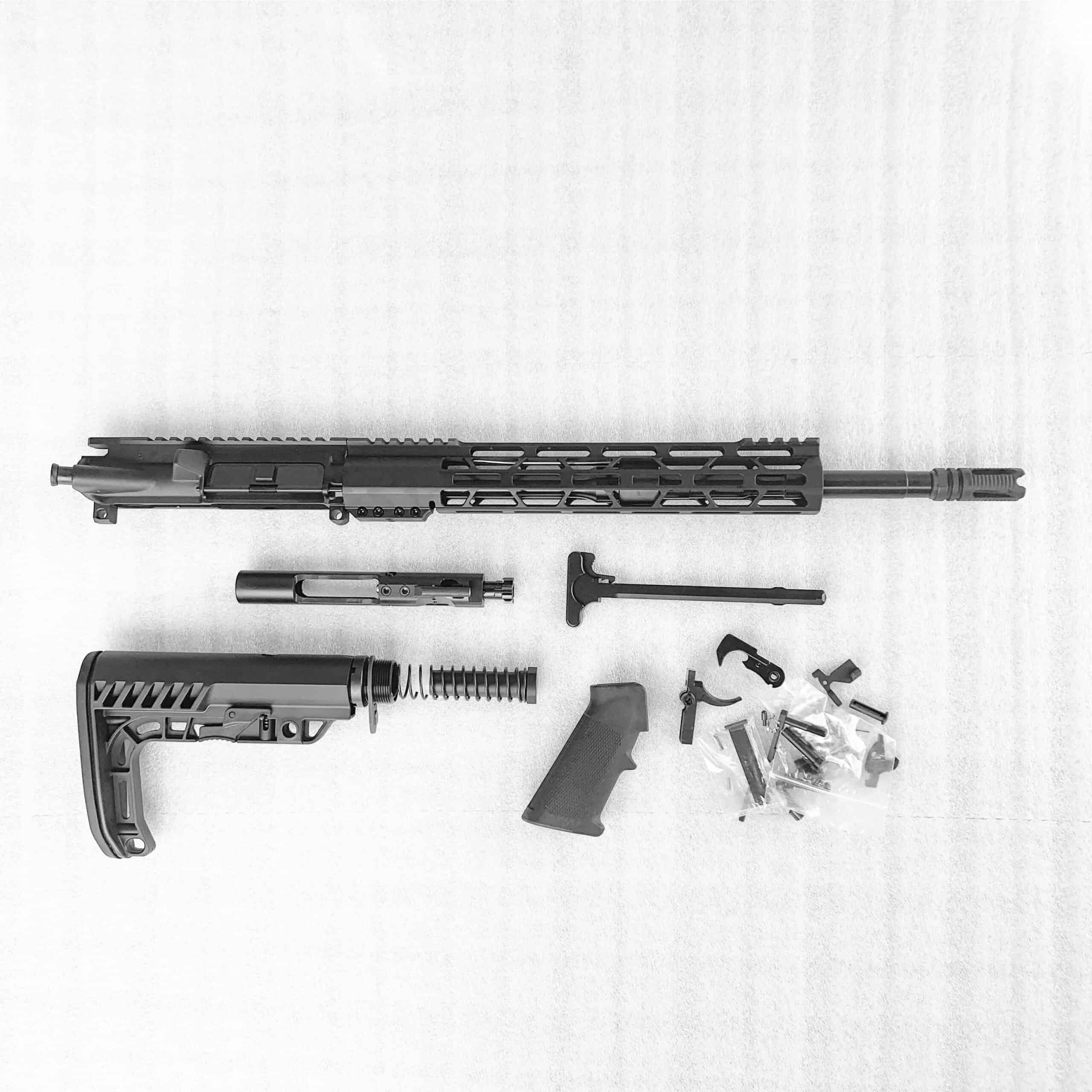
The AR-15 is one of the most popular rifle platforms in the United States because of its modular design, wide availability of parts, and ability to be configured for nearly any application. Whether used for recreational shooting, competition, hunting, home defense, or general-purpose rifle builds, the AR-15 gives owners the ability to maintain, repair, and upgrade their firearms with basic tools and knowledge.
Proper AR-15 maintenance is one of the simplest ways to improve reliability and extend the service life of your rifle. Routine cleaning, lubrication, and inspection allow you to identify worn components before they create problems and help ensure your firearm continues operating as intended.
At Mid State Firearms, we’ve been building AR-15 uppers and supplying quality components for more than a decade. Through assembling AR-15s, testing components, and helping customers select parts for their builds, we’ve found that many reliability issues come down to a few common areas:
- Insufficient lubrication
- Worn components
- Improper installation
- Incorrectly matched components
- Poor maintenance practices
When assembling and inspecting AR-15 uppers, we pay close attention to the details that directly affect reliability, including component fit, gas system setup, barrel installation, muzzle device installation, and bolt carrier group function.
This guide covers how to safely field strip an AR-15, clean and inspect the bolt carrier group, properly lubricate your rifle, and identify common wear points before they become reliability issues.
Table of Contents
- AR-15 Safety Before Maintenance
- Tools Needed for AR-15 Cleaning
- How to Field Strip an AR-15
- How to Clean and Inspect the Bolt Carrier Group
- AR-15 Upper Receiver and Barrel Inspection
- Lower Receiver and Buffer System Inspection
- Proper AR-15 Lubrication Points
- Suppressed AR-15 Maintenance
- Common AR-15 Maintenance Mistakes
- Why Proper Assembly Matters
- AR-15 Reassembly and Function Check
- AR-15 Maintenance FAQ
Why AR-15 Preventative Maintenance Matters
AR-15 maintenance is about more than removing carbon buildup. A proper inspection gives you the opportunity to identify small issues before they turn into reliability problems.
Regular maintenance helps:
- Improve reliability and reduce malfunctions
- Extend the service life of critical components
- Identify worn parts before failure
- Maintain consistent cycling and accuracy
- Confirm proper operation after repairs or upgrades
How often an AR-15 needs maintenance depends on how it is used. A rifle fired occasionally at the range may only require basic cleaning and lubrication after shooting sessions, while suppressed rifles, high-round-count firearms, and rifles used in dusty or harsh environments may require more frequent attention.
AR-15 Safety Before Disassembly
Before beginning any firearm maintenance:
- Point the muzzle in a safe direction.
- Remove the magazine.
- Lock the bolt to the rear.
- Visually and physically inspect the chamber to confirm it is empty.
- Allow the bolt to close on an empty chamber.
- If the hammer is cocked, place the selector on SAFE.
Important: Many AR-15 rifles cannot be placed on SAFE when the hammer is already down. This is normal. Always verify the firearm is unloaded before beginning any maintenance.
Tools Needed for AR-15 Maintenance
Basic field stripping requires no specialized tools, but these items make cleaning and inspection easier:
- Quality firearm lubricant
- Cleaning solvent
- Nylon brush
- Cleaning patches
- Bore snake or cleaning rod
- Chamber brush
- Microfiber cloth or cleaning mat
- Small punch set for advanced maintenance
How to Field Strip an AR-15
Field stripping gives access to the components that require routine cleaning and inspection, including the bolt carrier group, charging handle, chamber, and upper receiver.
Step 1: Separate the Upper and Lower Receivers
Push the rear takedown pin located above the pistol grip.
Pivot the upper receiver away from the lower receiver.
If complete separation is needed, push the front pivot pin and remove the upper receiver from the lower.
Step 2: Remove the Charging Handle and Bolt Carrier Group
Pull the charging handle rearward.
Remove the bolt carrier group from the rear of the upper receiver.
Align the charging handle with the receiver cutouts and remove it from the upper receiver.
The upper receiver, charging handle, and bolt carrier group are now ready for cleaning and inspection.
Step 3: Remove the Buffer and Buffer Spring (Optional)
Removing the buffer and spring is not required for every cleaning session, but it can be useful during periodic inspections, troubleshooting, or more detailed maintenance.
To remove the buffer assembly:
- Push the buffer slightly forward to relieve pressure on the buffer retainer.
- Depress the buffer retainer.
- Slowly guide the buffer and spring out of the receiver extension.
Always maintain control of the buffer and spring during removal.
Inspect the buffer face, spring condition, and receiver extension for unusual wear or damage.
How to Clean and Inspect an AR-15 Bolt Carrier Group (BCG)
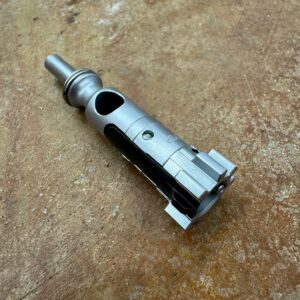
The bolt carrier group is one of the most important components in the AR-15 operating system. It controls feeding, extraction, ignition, and cycling.
To disassemble the BCG:
- Remove the firing pin retaining pin.
- Remove the firing pin.
- Rotate and remove the cam pin.
- Pull the bolt assembly forward and remove it from the carrier.
Routine cleaning normally does not require removing the extractor unless replacing components or performing a detailed inspection.
AR-15 Bolt Inspection
Inspect the bolt carefully for:
- Cracked or damaged locking lugs
- Extractor condition
- Extractor spring, insert, and O-ring if equipped
- Proper extractor tension
- Ejector movement
- Gas ring condition
- Cam pin wear
- Firing pin tip condition
The bolt experiences significant stress during operation. Cracked, chipped, or damaged locking surfaces should be addressed before continued use.
Gas Ring Inspection
Gas rings help the bolt carrier group maintain proper gas pressure during operation.
Inspect gas rings for:
- Physical damage
- Excessive wear
- Missing rings
Gas rings do not need to look perfectly clean to function properly. Carbon buildup is normal, and gas rings should not be replaced based solely on appearance.
Replace gas rings when they are damaged, excessively worn, or when reliability issues indicate a problem.
Gas Key Inspection
The gas key should be firmly attached and properly staked.
A loose gas key can cause:
- Short stroking
- Failures to cycle
- Reliability issues
Cam Pin Inspection
Cam pins naturally show wear during normal operation.
Inspect for:
- Cracking
- Excessive deformation
- Unusual wear patterns
Firing Pin and Retaining Pin Inspection
Inspect the firing pin for:
- Damage
- Deformation
- Excessive wear
Inspect the firing pin retaining pin for:
- Bending
- Damage
- Difficulty installing or removing
Replace damaged components before continued use.
Inspecting the AR-15 Upper Receiver and Barrel Assembly
While the rifle is disassembled, inspect the upper receiver and barrel assembly.
Check:
- Feed ramps for damage or burrs
- Barrel extension locking lugs
- Chamber condition
- Gas tube alignment
- Gas Block alignment – Be sure the gas block screws are still secure and the gas block isn’t loose.
- Charging handle wear – some wear is normal.
- Receiver rails for unusual contact marks
- Barrel crown for damage
The barrel extension locking surfaces should be free of debris and show no signs of unusual wear.
For rifles using suppressors or muzzle devices, inspect:
- Muzzle threads
- Muzzle device attachment
- Alignment indicators
- Carbon tracking or unusual buildup
A properly installed muzzle device is especially important when using suppressors or other muzzle-mounted accessories.
Inspecting the AR-15 Lower Receiver and Buffer System
The lower receiver contains the fire control group and recoil system.
Inspect:
- Trigger operation
- Hammer function
- Safety selector
- Bolt catch
- Magazine release
- Receiver extension
- Buffer retainer
- Buffer spring
- Buffer condition
A damaged or worn buffer system can affect cycling reliability and should be corrected before continued use.
Proper AR-15 Lubrication Points
One of the most common mistakes new AR-15 owners make is running their rifle too dry.
The AR-15 generally performs best when properly lubricated. A rifle does not need to be dripping with oil, but moving components should have enough lubricant to reduce friction.
Important lubrication points include:
- Bolt body
- Gas rings
- Cam pin
- Carrier rails
- Charging handle contact surfaces
- Bolt carrier contact surfaces
Avoid excessive lubricant inside the firing pin channel or fire control group, where unnecessary oil can collect dirt and debris.
Suppressed AR-15 Maintenance
Suppressors are an excellent addition to the AR-15 platform, but they change how the rifle operates.
A suppressed AR-15 typically experiences:
- Increased carbon buildup
- More fouling inside the upper receiver
- Higher operating temperatures
- Faster lubricant breakdown
Suppressed rifles often benefit from more frequent lubrication because increased fouling and heat can accelerate lubricant breakdown.
Pay particular attention to:
- Bolt carrier group
- Chamber
- Charging handle
- Inside of the upper receiver
- Gas system components
A suppressed rifle does not need to be completely spotless to function reliably. Proper lubrication, inspection, and quality components are more important than removing every trace of carbon.
Common AR-15 Maintenance Mistakes
Running the Rifle Too Dry
A clean rifle is not the same thing as a dry rifle. Lack of lubrication is one of the most common causes of unnecessary friction and wear.
Over-Cleaning
Carbon buildup does not automatically mean a rifle is unreliable. Aggressively scraping every surface can cause unnecessary wear.
Ignoring Small Components
Extractor springs, gas rings, and buffer springs are inexpensive components that can have a major impact on reliability.
Using Improperly Matched Replacement Parts
The AR-15 platform is forgiving, but components should be selected to work together. Barrel length, gas system length, buffer weight, ammunition, and suppressor use all influence reliability.
Why Proper AR-15 Assembly Matters
Maintenance is important, but reliability starts before the rifle is ever fired.
AR-15 function depends on more than individual parts. Proper assembly, correct torque specifications, gas system setup, barrel installation, and component compatibility all play a role.
A high-quality component installed incorrectly can still create reliability problems.
At Mid State Firearms, we focus on proper assembly practices and carefully selected components to help ensure our builds perform reliably.
Do You Need to Remove All Carbon From an AR-15?
No.
A common misconception is that every component needs to be completely clean and free of carbon.
Carbon buildup on areas like the rear of the bolt is normal and usually does not affect reliability. It does not need to be aggressively scraped away during every cleaning.
Focus on:
- Proper lubrication
- Inspection of wear points
- Chamber condition
- Bolt function
- Gas system condition
A properly lubricated rifle with some carbon buildup will often run better than a perfectly clean rifle that is running dry.
AR-15 Reassembly and Function Check
Reassembly is the reverse process:
- Install the bolt into the carrier.
- Install the cam pin.
- Install the firing pin.
- Install the firing pin retaining pin.
- Install the charging handle.
- Install the bolt carrier group.
- Join the upper and lower receivers.
- Push the takedown and pivot pins into place.
After maintenance or repairs, always perform a function check before firing.
- Verify the rifle is unloaded. It never hurts to check and verify multiple times.
- Cycle the action using the charging handle.
- Place the selector on SAFE.
- Pull the trigger. The hammer should not fall.
- Move the selector to FIRE.
- Pull the trigger. The hammer should fall.
- Hold the trigger to the rear.
- Cycle the action.
- Slowly release the trigger until the trigger resets.
- Pull the trigger again.
If anything feels abnormal, stop and inspect the rifle before use.
Upgrade Your AR-15 With Quality Components From Mid State Firearms
Routine maintenance is also the perfect time to upgrade worn or outdated components.
Mid State Firearms carries a wide selection of AR-15 parts including:
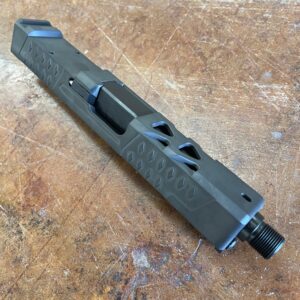
- Complete AR-15 uppers
- Bolt carrier groups
- Barrels
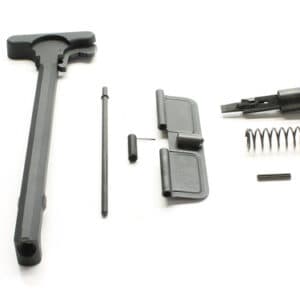
- Charging handles
- Handguards
- Buffer assemblies
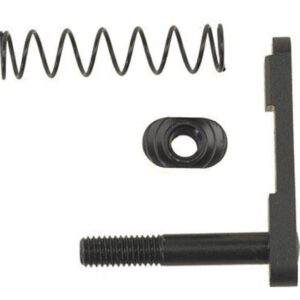
- Lower receiver components
- Muzzle devices
The bolt carrier group is one of the most important reliability components in any AR-15. Mid State Firearms offers quality BCG options including Microbest assemblies with features such as properly staked gas keys and quality spring components.
For shooters running suppressed rifles, defensive builds, or high-round-count setups, selecting quality components can make a significant difference in long-term reliability.
When customers order one of our complete uppers with an optional bolt carrier group and charging handle, we test-fire that upper using the included BCG to help verify reliable function before it ships.
Whether you’re maintaining an existing rifle or building a new AR-15 from the ground up, quality parts and proper maintenance are the foundation of reliability.
AR-15 Maintenance FAQ
How often should I clean my AR-15?
Maintenance frequency depends on how the rifle is used. Occasional range rifles may only need basic cleaning after shooting sessions, while suppressed and high-round-count rifles generally require more frequent inspection.
Can I replace my AR-15 bolt carrier group myself?
Yes. Replacing a complete BCG is one of the simplest AR-15 upgrades and only requires basic field stripping.
Does my AR-15 need to be completely clean to work?
No. Proper lubrication and functioning components are more important than removing every trace of carbon.
What parts should I inspect during AR-15 maintenance?
Pay close attention to the bolt carrier group, extractor, gas rings, cam pin, gas key, barrel extension, muzzle device, buffer system, and receiver components.
Should an AR-15 run wet or dry?
An AR-15 generally performs best with proper lubrication on moving components. Running a rifle excessively dry can increase friction and accelerate wear.